

In today's newsletter I look at international travel options under COVID-19, crypo-currency adoption, and what jobs our children might apply for in the future.
Long-term COVID Travel: The NZ government's pilot project for business travel
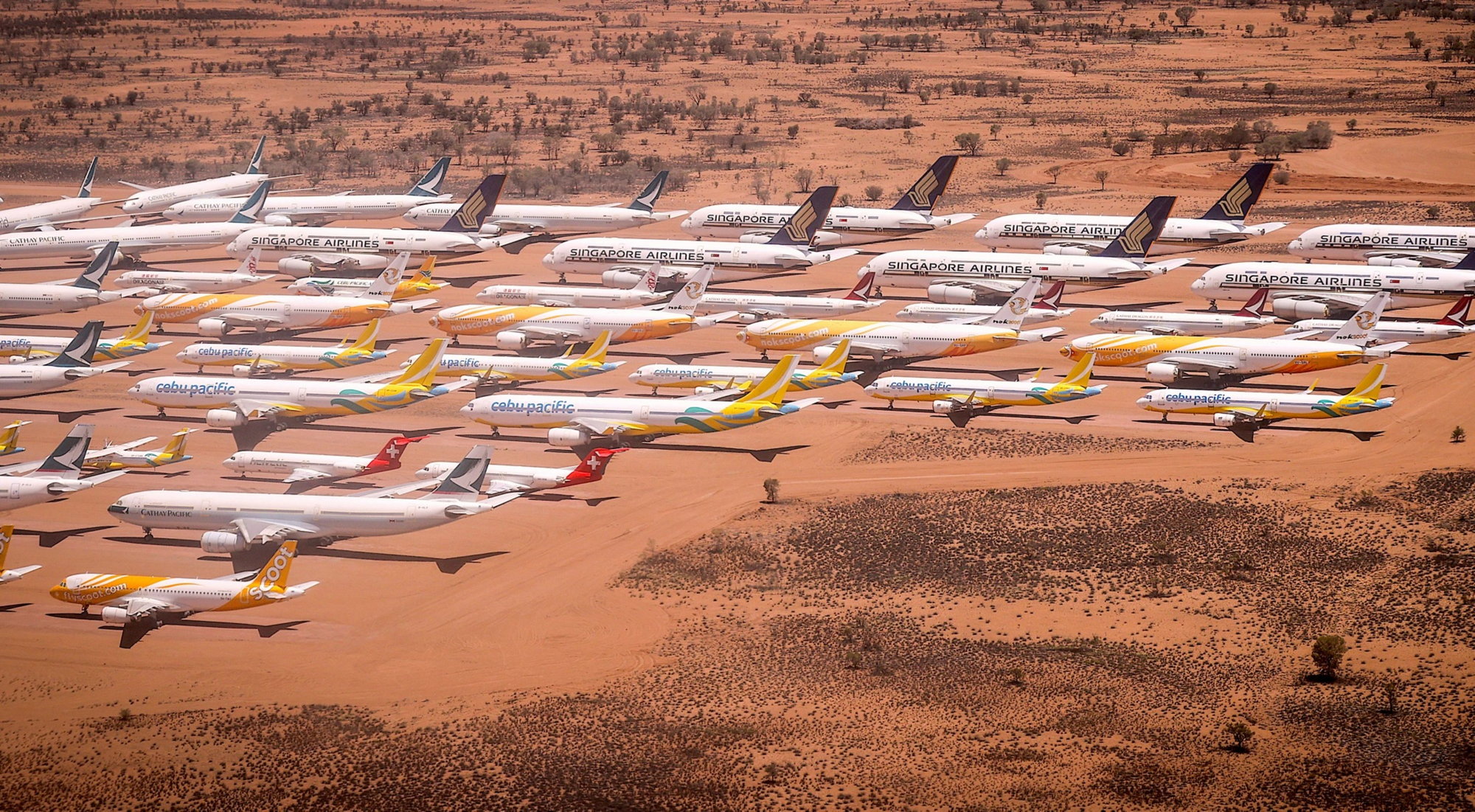
What and Why? A Bloomberg survey of 45 large businesses in the U.S., Europe and Asia shows that 84% plan to spend less on travel post-pandemic. But Minister Hipkin's in NZ confirmed it’s sticking with the plan for business travel. A self-quarantine pilot, a few hundred people, fully vaccinated, going overseas on a short trip to a destination approved. They’ll be completely alone for a fortnight, can't share a ventilation system with anyone else. Generally business travellers, who buy premium-class or more-expensive refundable tickets, bring in as much as three-quarters of airlines’ pre-pandemic profits while accounting for only 12% of seats, according to PwC.
Why it matters? What about mass quarantine-free travel? Hipkin's said MIQ might not last that long. “The current model that we are working to, whilst it might still have an ongoing role, is unlikely to be the only route into the country over the medium and longer term,” he said, the next 18 months to two years. The world’s biggest airlines collectively lost a whopping $126 billion in 2020 and are set to lose another $48 billion this year, according to the International Air Transport Association. But the day businesses lose an account because they weren’t somewhere face-to-face will immediately bring them back to the way they were before.
Bloomberg - Link & SpinOff Newsletter - Link
Bitcoin is legal tender in El Salvador
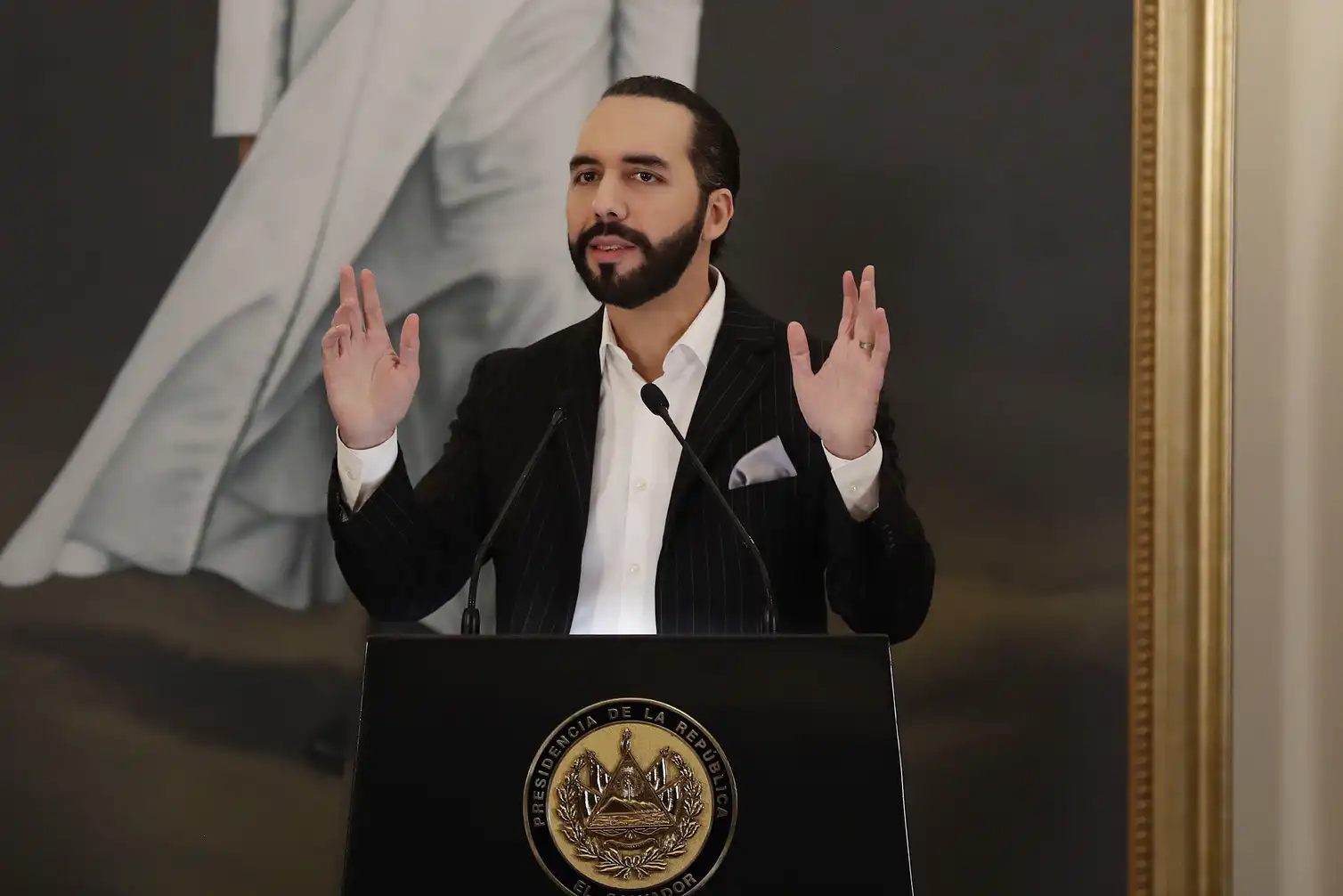
What & Where: El Salvador's new law states that businesses must accept bitcoin. The government is setting up 200+ cash machines for bitcoin conversions and a digital cryptocurrency wallet app named Chivo – which is slang for “cool.” Citizens sign up with their national ID, and receive $30 worth of bitcoin as an incentive. Bukele’s reasoning, delivered via Twitter on June 6, is that Bitcoin has “a market cap of US$680 billion” and:
If 1% of it is invested in El Salvador, that would increase our GDP by 25%
Why it matters: Protests have broken out in opposition to bitcoin. Bitcoin is prone to wild fluctuations, and some critics worry their savings will be vulnerable to crashes in price. However, maybe Bitcoin's acceptance at other countries will stimulate other countries to also legalise crypto-currencies. → Link & Link (The Conversation)
McKinsey - I, Robot? What technology shifts mean for tomorrow’s jobs for our kids and grand-kids.
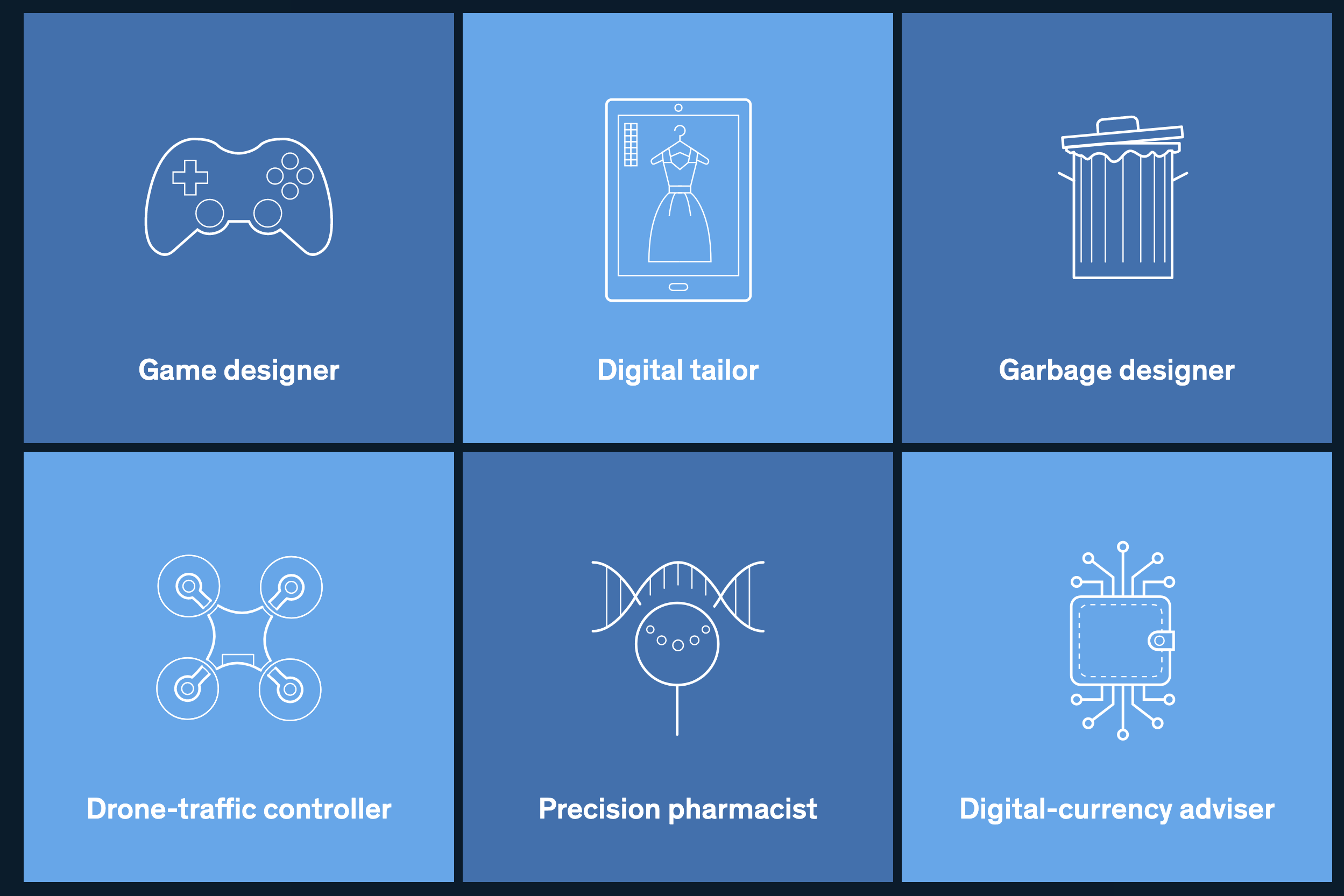
When & What: Future, in a world of uber-fast networks, robotics and artificial intelligence our kids will work side by side with robots, but what will they do and what will we do?
Why it matters: What jobs should we be getting out kids ready for? Mckinsey estimates that more than 100 million workers might need to find a different occupation by 2030—that’s roughly the same as the populations of Canada and Italy combined. → Link - McKinsey